
Leading Fire Restoration Equipment To Restore Property and Peace of Mind
Equip yourself with high-quality products designed to address fire damage comprehensively and support a safe recovery process.
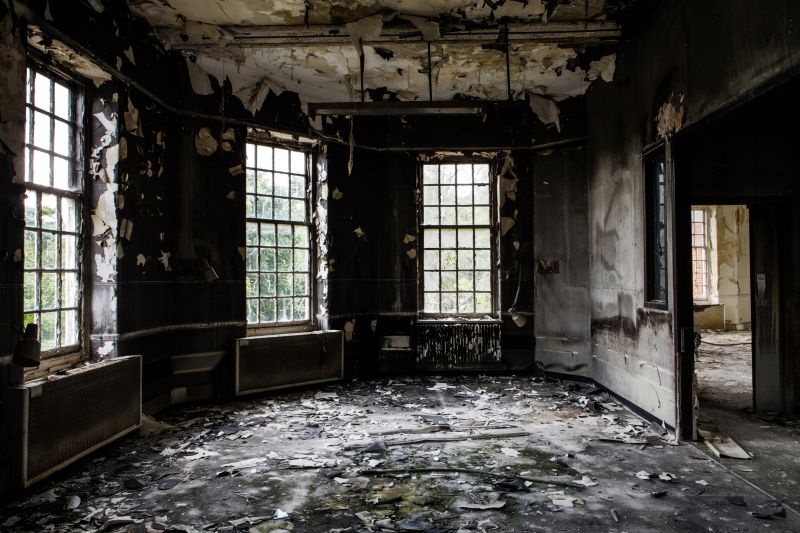 Fire restoration products are essential tools and materials used to address the aftermath of fire damage in residential and commercial properties. These products help in cleaning, deodorizing, and repairing structures affected by smoke, soot, and heat. Proper selection of fire restoration supplies can significantly improve the efficiency of cleanup efforts and contribute to a safer, healthier environment for occupants and workers alike. From specialized cleaning agents to protective gear, the range of products available caters to various stages of the restoration process.
Top Overall Option
Comprehensive Fire Damage Restoration Kit
A complete restoration kit typically includes a variety of cleaning agents, protective gear, and tools designed to facilitate efficient fire damage cleanup. These kits often feature multi-surface cleaners, odor neutralizers, respirators, gloves, and scrapers, providing a one-stop solution for professionals and DIY restorers. Selecting a well-rounded kit can streamline the restoration process and ensure all necessary supplies are readily available for effective cleanup and safety.
Types of Products For Fire Restorations
Soot and Smoke Removers
Specialized cleaning solutions formulated to remove soot and smoke residues from various surfaces, including walls, ceilings, and furniture.
Odor Neutralizers
Products designed to eliminate persistent smoke odors from indoor environments, often using enzymatic or chemical neutralizers.
Surface Cleaners
Multi-surface cleaning agents suitable for restoring the appearance of walls, floors, and fixtures affected by fire.
Protective Equipment
Respirators, gloves, coveralls, and eye protection to ensure safety during cleanup operations.
Air Scrubbers
Devices that filter airborne particles and odors, improving indoor air quality during and after restoration.
Thermal Imaging Cameras
Tools used to assess hidden damage and temperature variations caused by fire and heat.
Sealing and Priming Products
Materials used to seal surfaces and prevent odors from permeating through walls and ceilings.
Fire-Resistant Sealants
Sealants designed to withstand heat and prevent the spread of fire and smoke.
Cleaning Cloths and Sponges
Absorbent and scrub-friendly cloths for manual cleaning and surface preparation.
Dehumidifiers
Equipment to control moisture levels and prevent mold growth during restoration.
Thermal Insulation
Fire-resistant insulation materials used to replace damaged areas and improve safety.
Structural Repair Materials
Patching compounds, drywall, and framing supplies for rebuilding affected structures.
Popular Choices
Widely used products for neutralizing smoke smells in residential and commercial spaces.
Powerful cleaning agents suitable for removing soot from various surfaces.
Essential safety gear for workers involved in fire damage cleanup.
Devices that help improve indoor air quality during restoration projects.
Materials used to contain fire and smoke spread in structural repairs.
Tools for assessing damage and identifying hidden hotspots.
Products that absorb and neutralize odors in enclosed spaces.
Cleaning solutions for removing greasy residues caused by smoke and heat.
Clothing designed to protect workers from contaminants and soot.
Tools to control moisture levels and prevent secondary damage.
Building materials that resist heat and fire during structural repairs.
Manual tools for detailed cleaning and surface preparation.
Sprays designed to eliminate smoke smells on furniture and fabrics.
Equipment used to ventilate and dry affected areas quickly.
Insulation options that provide additional safety in rebuilding efforts.
Quick-application products for sealing surfaces and preventing odor migration.
Convenient wipes for quick surface cleaning and soot removal.
Effective fire restoration begins with thorough assessment and cleaning. High-quality soot removers and smoke odor neutralizers are designed to penetrate surfaces and eliminate lingering smells and residues. Surface cleaning solutions target soot and charred materials, helping to restore surfaces to their pre-fire condition without causing additional damage. Protective equipment such as respirators, gloves, and coveralls are crucial for safety, ensuring that workers are shielded from harmful particles and chemicals during the cleanup process.
In addition to cleaning and safety gear, restoration projects often require specialized tools and materials. These include thermal imaging cameras for damage assessment, air scrubbers to improve indoor air quality, and sealing products that prevent future odors from permeating walls and furnishings. The versatility and quality of these products can influence the overall success of fire damage recovery, making it important for professionals and homeowners to choose reliable, effective options tailored to their specific needs.
Key Buying Considerations
- Determine the specific surfaces affected to select appropriate cleaning products.
- Consider safety features of protective gear, including filtration efficiency and comfort.
- Assess the severity of smoke and soot residue to choose effective cleaning solutions.
- Look for products that are compatible with existing restoration equipment.
- Evaluate the odor neutralization capabilities for long-lasting freshness.
- Ensure equipment like air scrubbers and dehumidifiers are suitable for the size of the space.
- Check for ease of use and application methods for DIY versus professional use.
- Review product certifications and safety standards to ensure reliability.
- Consider the environmental conditions of the site, such as humidity and ventilation.
- Plan for future repairs by selecting compatible sealing and repair products.
- Estimate the duration of restoration project to determine the quantity of supplies needed.
- Prioritize products with clear instructions and safety warnings.
- Budget for a comprehensive kit or individual items based on project scope.
- Research product reviews and recommendations for effectiveness and safety.
- Think about storage and handling of chemical-based products to maintain safety.